

Free Consultations 312-627-9482

Can You Keep Driving While Your Illinois DUI Case Is Pending?
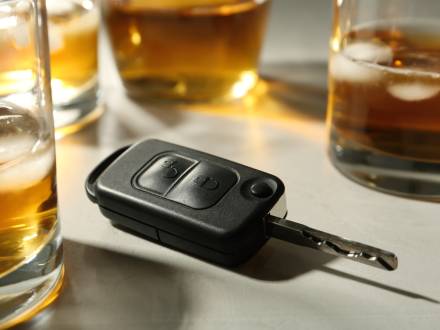
You can keep driving while your Illinois DUI charge is pending if your license is still valid. If a separate DUI suspension takes effect, you’ll need a valid permit to keep driving. A statutory summary suspension usually begins on the 46th day after notice. Eligible first offenders can apply for a permit that allows driving with an ignition interlock device. If you were arrested for DUI in 2026, a Chicago DUI defense lawyer can review your notice and options before the suspension begins.
When Does an Illinois DUI License Suspension Begin?
A statutory summary suspension temporarily takes away driving privileges after a driver refuses an alcohol or drug test or takes one and fails it. Under 625 ILCS 5/11-501.1, the suspension begins on the 46th day after notice, which is not necessarily the arrest date.
If you had a valid license when arrested, the officer ordinarily gives you a receipt allowing you to drive until the suspension begins. The Secretary of State handles the suspension separately from the criminal DUI case.
For a first offender, a failed chemical test brings a six-month suspension, while refusal brings 12 months. For someone who is not a first offender, those periods are ordinarily one year and three years, respectively.
What Is a Monitoring Device Driving Permit in Illinois?
Under 625 ILCS 5/6-206.1, a Monitoring Device Driving Permit (MDDP) lets eligible first offenders drive during a summary suspension. It requires a breath alcohol ignition interlock device, which tests your breath before the vehicle starts.
Unlike permits limited to work or medical trips, an MDDP allows driving at any time and for any purpose in an equipped noncommercial vehicle. You pay installation and monitoring fees.
Eligibility requires being at least 18 and having otherwise valid driving privileges. A past DUI conviction, court supervision for a DUI, or a recent license suspension for a DUI arrest can affect whether you qualify. You can also be denied a permit if the arrest involved a crash in which you caused someone’s death or serious injury. A commercial driver's license does not permit you to use the MDDP to drive a commercial vehicle.
The Secretary of State sends application information. Once the permit is issued, you have 14 days to install the device. You can decline the permit, but then you cannot drive during the suspension.
Can You Fight a DUI License Suspension in Illinois?
You can file a petition to rescind, which asks a judge to cancel the suspension. Under 625 ILCS 5/2-118.1, you have 90 days after receiving the suspension notice to request a hearing. In most cases, the court must start the hearing within 30 days after you properly file your request.
The petition does not pause the suspension. If the judge has not granted relief by day 46, it takes effect even if the hearing is pending. You can still win a petition after the suspension begins.
The judge looks at questions like whether the officer had a valid reason to suspect DUI and gave you the required warnings. The judge also checks whether a test result or refusal supports the suspension. This hearing does not decide whether you’re guilty of DUI.
What Should You Do Before Your Illinois DUI Suspension Starts?
The first weeks after receiving notice are important. Take these steps:
-
Read the notice and identify when the 46-day period ends.
-
Review the 90-day petition deadline with a DUI lawyer.
-
Preserve your arrest paperwork and request relevant police video.
-
Check whether prior DUI convictions, supervision, or suspensions affect permit eligibility.
-
Apply for an MDDP if eligible and plan for interlock installation.
-
Confirm that a permit is valid before driving once the suspension starts.
Driving during a suspension without valid permission is a separate offense. Driving an unequipped vehicle with an MDDP can also carry serious penalties.
What Happens to Your License After Your Illinois DUI Case Ends?
The criminal result and summary suspension are different decisions. A dismissal or acquittal does not automatically erase the suspension.
Court supervision allows an eligible first offender to avoid a DUI conviction by completing court requirements. It does not automatically remove the summary suspension. Once the suspension ends, the driver must pay the required reinstatement fee and clear any other holds before driving again.
A DUI conviction can also lead to a separate penalty called license revocation. Revocation ends driving privileges until the Secretary of State grants restoration. A first DUI conviction ordinarily brings a minimum one-year revocation, but reinstatement is not automatic.
Schedule a Free Consultation With Our Cook County, IL DUI Defense Attorney
If your DUI case is pending in 2026, early action can help protect your ability to drive lawfully. Attorney James DiQuattro takes an aggressive approach in court while remaining dedicated to his clients. He also represents people facing state and federal criminal investigations. He can review the DUI charge alongside the separate suspension, permit, and hearing deadlines.
Contact Law Offices of James F. DiQuattro at 312-627-9482 to talk to our Chicago DUI defense lawyer today.










CALLS ANSWERED 24/7
Schedule a free consultation and work with a lawyer that goes the extra mile.
Office Location
900 W. Jackson Blvd., Suite 5-East
Chicago, IL 60607
312-627-9482